Workplaces that run smoothly do not happen by accident. Behind every efficient team and well-organised environment lies a deliberate commitment to structure, clarity, and continuous improvement. Seton’s management and organisation solutions are designed precisely with this in mind, offering practical tools and frameworks that help businesses of all sizes build more productive, safer, and more coherent working environments.
Key takeaways
- Seton’s management solutions utilize methodologies like the 5S approach to transform reactive tidying into structured operational workflows.
- Visual management tools such as colour coding and shadow boards improve efficiency by minimizing time spent searching for tools and reducing workplace errors.
- Logical organization and clutter reduction naturally enhance workplace safety, turning quality management and safety into embedded daily practices.
- Learning about workplace organisation can help teams identify workflow inefficiencies and consider meaningful improvements.
- Effective workplace transformation requires shifting from top-down enforcement to a culture where staff understand and value shared operational systems.
- Continuous improvement is presented as an ongoing process rather than a one-off event, necessitating regular reviews of processes and storage systems.
- Empathetic, human-centred leadership can help teams discuss performance and consider how to improve their work over time.
Understanding seton’s approach to workplace management
Streamlining day-to-day operations with practical organisation tools
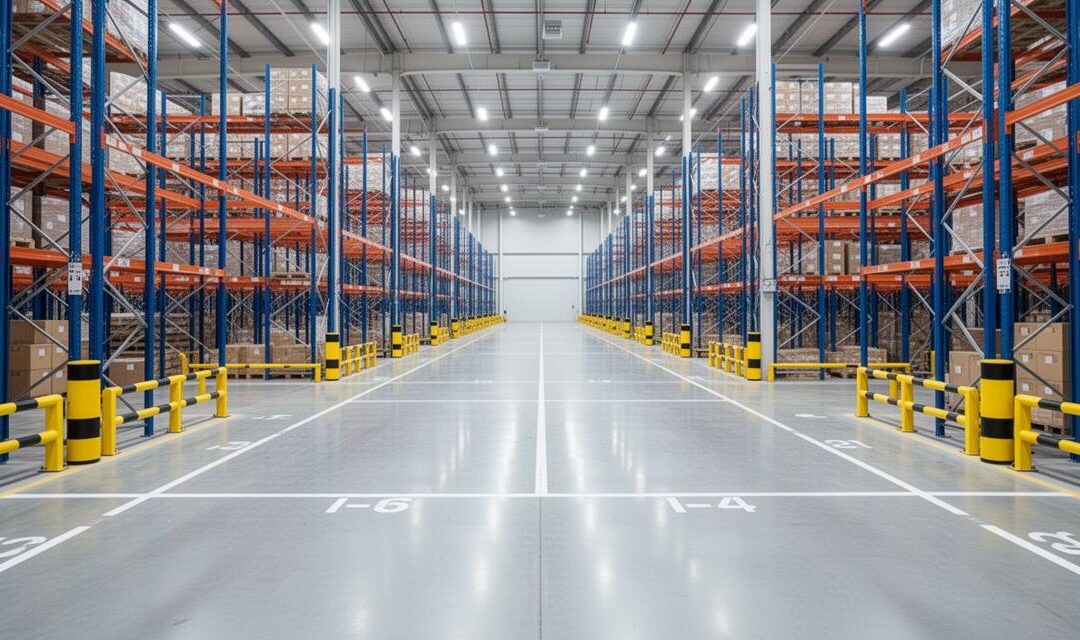
At the heart of effective workplace organisation is a simple but powerful principle: everything should have a designated place, and every person should know where that place is. Drawing on well-established methodologies such as the 5S approach, Seton helps organisations move beyond reactive tidying and towards a genuinely structured operational workflow. When tools and materials are correctly positioned according to frequency of use, teams spend less time searching and more time doing, a shift that has a measurable impact on overall workspace efficiency.
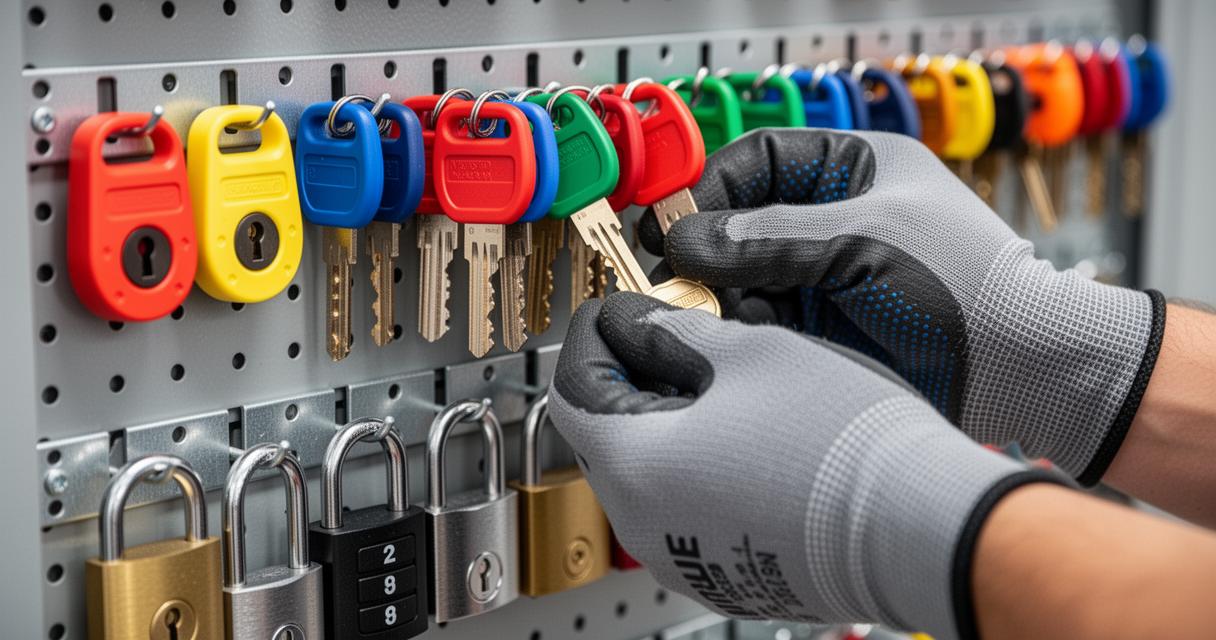
Beyond the physical arrangement of resources, visual management plays a crucial role in sustaining order over time. Colour coding, labelling systems, and shadow boards are among the practical controls that make it immediately clear where items belong and when something is out of place. These are not merely aesthetic choices; they reduce the risk of errors and accidents, and they make onboarding new members of staff considerably more straightforward. Properly organised workspaces also support a FIFO approach, ensuring that materials are used in the correct sequence, minimising waste and preventing items from becoming obsolete before they are ever used.
Building a Safer and More Structured Working Environment
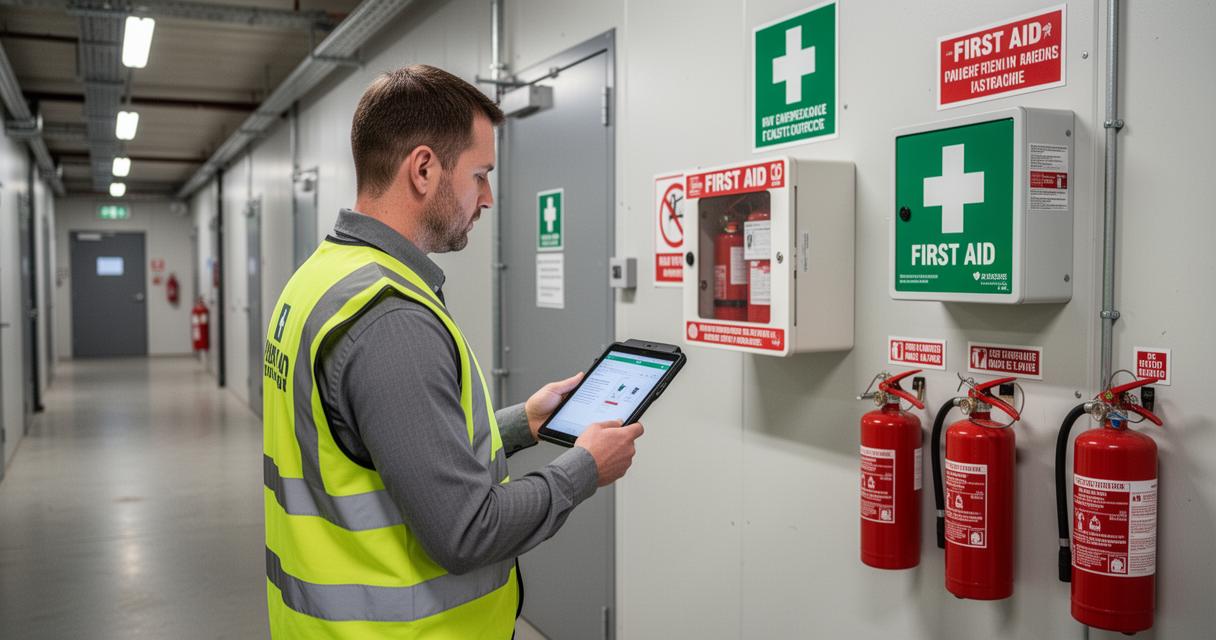
A well-organised workplace is, almost by definition, a safer one. When clutter is eliminated and storage is logical, hazards are easier to spot and address. Seton’s solutions support businesses in establishing environments where quality management and safety are not afterthoughts but embedded features of daily life. The goal is a culture where tidiness and order are maintained not through top-down enforcement alone, but because every member of the team understands the value of the systems in place.
This cultural dimension is essential. Values-led decision making (where choices about how to organise and operate are grounded in shared principles rather than individual preference) tends to produce more consistent and resilient outcomes. When staff members genuinely understand why a system exists, they are far more likely to uphold it, adapt it thoughtfully, and advocate for it with colleagues.
Supporting teams in adopting smarter organisation practices
Equipping Staff with the Knowledge to Maintain Order and Efficiency
Knowing that organisation matters is different from embedding it into everyday practice. By discussing how work is organised, teams can assess their current workflows, identify inefficiencies, and consider meaningful improvements. This is not about ticking compliance boxes; it is about professional development that makes a genuine difference to how people work.
Effective strategic planning at the team level requires a shared vocabulary and a common understanding of what good looks like. Building that foundation can make goal alignment a practical consideration across departments. When everyone understands the direction of travel and the standards expected, team performance tends to improve naturally and sustainably.
Driving long-term workplace improvement through ongoing learning
One of the most important insights in modern business transformation is that improvement is never truly finished. Reviewing workflows, refining storage systems, and revisiting processes regularly are all part of what makes an organisation genuinely competitive. Learning can be treated as a continuous process rather than a one-off event, much as process optimisation itself demands regular attention rather than a single intervention.
Empathetic leadership and human-centered design are increasingly recognised as the qualities that distinguish organisations capable of sustaining high performance over time. Coaching should be ongoing, data-informed, and rooted in a genuine understanding of what each team member needs to thrive. Considering performance metrics alongside the experiences of team members can help managers develop a more nuanced picture of how their teams are doing. This gives teams a basis for discussing value creation and how to keep improving their work.