

As households across the United Kingdom increasingly seek ways to reduce their reliance on the national grid and embrace renewable energy solutions, solar-powered garden lighting systems have emerged as a practical entry point into the world of energy independence. These systems not only illuminate outdoor spaces but also demonstrate how harnessing the sun's power can contribute to long-term savings and environmental sustainability. With advancements in technology and design, homeowners now have access to a diverse range of options that combine functionality with aesthetic appeal, making the transition to solar energy both accessible and rewarding.
Understanding my solar kit's garden lighting solutions for energy autonomy
What Makes My Solar Kit Stand Out in the Home Solar Energy Market
The appeal of solar garden lighting lies in its ability to operate independently of mains electricity, transforming sunlight into a reliable source of illumination once darkness falls. Unlike traditional outdoor lighting that adds to monthly energy bills, these systems store solar energy during daylight hours and release it after dusk, offering a sustainable alternative that requires no wiring or complicated installation processes. The technology has matured significantly, with modern solar collectors requiring approximately eight hours of sunlight to deliver optimal performance throughout the evening. This self-sufficiency represents a fundamental shift in how homeowners approach outdoor lighting, moving away from dependency on conventional power sources towards a model that prioritises renewable energy and cost efficiency.
What distinguishes quality solar lighting systems from inferior alternatives is their resilience in challenging conditions and consistent performance across seasons. Rigorous testing conducted over multiple years has revealed that the best products withstand extreme weather, including temperatures as low as minus sixteen degrees Celsius, whilst maintaining brightness and functionality. Durability testing involves subjecting these lights to physical stress, ensuring that components remain intact even when dropped, knocked or exposed to harsh outdoor elements. This level of reliability is crucial for homeowners investing in long-term solutions, as it guarantees that their lighting systems will continue to perform year after year without frequent replacements or repairs.
Key Features and Components of Solar-Powered Garden Lighting Systems
The construction of effective solar garden lighting revolves around several critical components that work in harmony to deliver consistent illumination. At the heart of each system is the solar collector, which captures sunlight and converts it into electrical energy stored in rechargeable batteries. The efficiency of this process determines how long the lights will remain operational after dusk, with performance varying significantly between winter and summer months. During the warmer seasons, fully charged systems typically provide illumination for three to six hours, whilst winter conditions may reduce this to around thirty minutes due to shorter days and weaker sunlight.
The quality of light emitted is measured in lumens, a unit that quantifies brightness and helps consumers select appropriate products for different applications. For instance, a soft glow of one hundred lumens creates a welcoming ambience along pathways, whereas spaces intended for outdoor dining benefit from the increased visibility provided by one hundred and fifty lumens. This versatility allows homeowners to tailor their lighting design to specific needs, whether highlighting architectural features, ensuring safe navigation through gardens or creating inviting atmospheres for evening gatherings. The integration of LED technology has further enhanced efficiency, delivering bright, warm white light whilst consuming minimal energy.
Another distinguishing feature of premium solar lighting systems is the inclusion of USB connectivity, which offers an additional charging option during periods of limited sunlight. This hybrid approach ensures that lights remain functional even on overcast days, addressing one of the traditional limitations associated with purely solar-dependent systems. The combination of solar and USB charging capabilities provides flexibility and peace of mind, particularly during the unpredictable British weather patterns that characterise autumn and winter months.
Practical Benefits and Long-Term Savings with My Solar Kit Installation
Calculating Your Return on Investment for Garden Solar Lighting
The financial advantages of solar-powered garden lighting extend beyond the elimination of electricity costs for outdoor illumination. When considering the initial investment against ongoing savings, homeowners typically find that quality solar systems pay for themselves within a relatively short timeframe. The absence of wiring requirements reduces installation expenses considerably, as there is no need to hire electricians or undertake disruptive groundwork to lay cables. This simplicity not only lowers upfront costs but also makes it possible for individuals to install and reposition lights as needed, adapting their garden lighting design without professional assistance.
Long-term maintenance costs remain minimal, with the most significant recurring expense being battery replacement after several years of use. However, this modest outlay pales in comparison to the cumulative cost of running mains-powered outdoor lighting over the same period. Furthermore, the environmental benefits contribute to a broader sense of value, as reducing carbon footprints aligns with growing societal emphasis on sustainability. Households that adopt solar lighting systems often report a sense of satisfaction derived from making environmentally responsible choices that also deliver practical and economic benefits.
Price points for solar garden lighting vary considerably based on features, quality and design complexity. Entry-level options such as basic string lights are available for as little as fifteen pounds, making them accessible to budget-conscious consumers. Mid-range products offering enhanced durability and brightness typically cost between thirty and fifty pounds, whilst premium systems featuring advanced technology such as USB charging and superior weather resistance can exceed sixty pounds. Despite these variations, the consensus among long-term users is that investing in higher-quality systems yields better performance and greater longevity, ultimately proving more economical than repeatedly replacing cheaper alternatives.
Real-World Performance and Maintenance Requirements for Outdoor Solar Kits
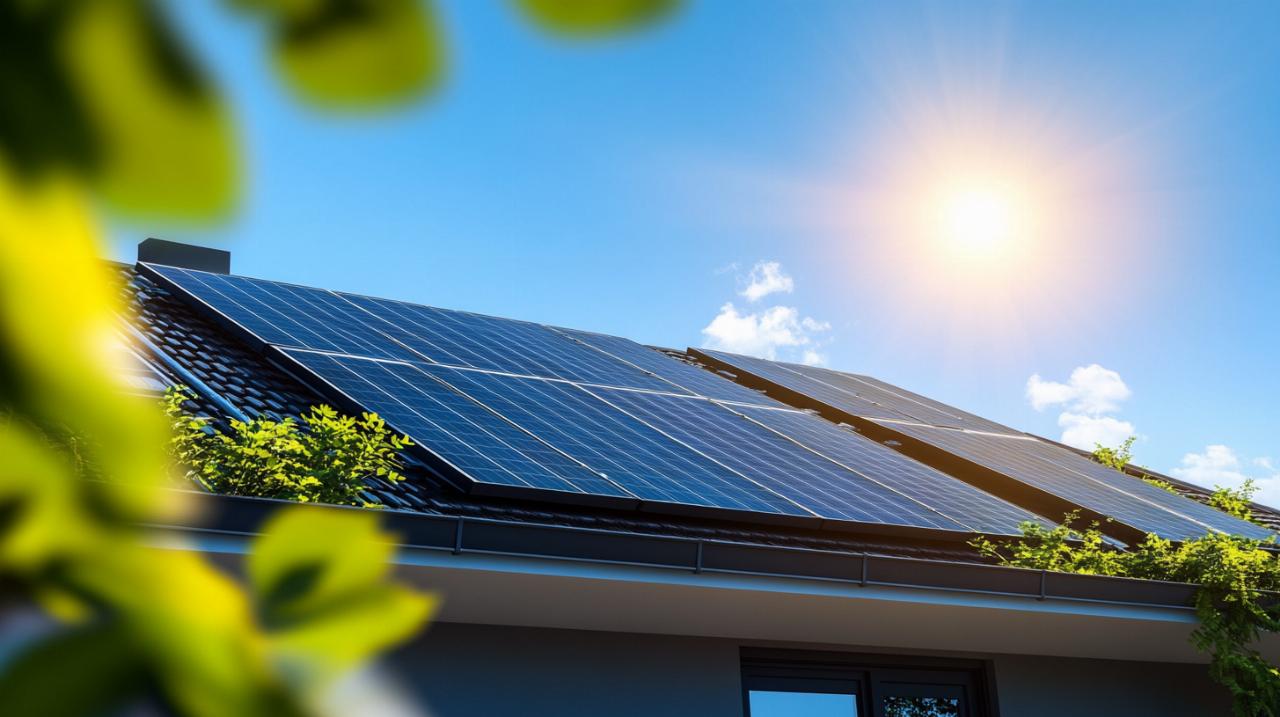
Practical experience with solar garden lighting reveals that performance is heavily influenced by placement and exposure to direct sunlight. Positioning solar collectors in areas that receive unobstructed sunlight throughout the day maximises charging efficiency and ensures optimal illumination after dark. Shaded locations or those partially obscured by trees, buildings or garden structures inevitably compromise battery charging, resulting in dimmer light or shorter operational periods. Homeowners are therefore advised to carefully assess their gardens before installation, identifying spots that benefit from consistent sunlight exposure.
Seasonal variations present perhaps the most significant challenge for solar lighting systems, particularly during winter when shorter days and weaker sunlight limit charging opportunities. Testing conducted from October through to April demonstrates that whilst the best solar lights continue to function during colder months, their performance diminishes compared to summer peaks. This reality underscores the importance of selecting products specifically designed to handle winter conditions, with robust batteries capable of storing sufficient energy even when sunlight is scarce. Consumers should also manage expectations regarding brightness and duration during these months, understanding that reduced performance is a natural consequence of seasonal changes rather than product failure.
Maintenance requirements for solar garden lighting remain refreshingly minimal, contributing to their appeal as a low-effort solution for outdoor illumination. Regular cleaning of solar panels ensures that dust, debris and organic matter do not obstruct sunlight absorption, whilst occasional inspection of connections and housing prevents moisture ingress that could damage internal components. Unlike mains-powered systems that may require rewiring or bulb replacement, solar lights typically function reliably for years with only basic upkeep. This ease of maintenance aligns perfectly with the broader goal of achieving energy independence, as homeowners can enjoy the benefits of sustainable lighting without dedicating significant time or resources to ongoing care.
The integration of solar-powered garden lighting into home energy strategies represents a tangible step towards greater autonomy and sustainability. By combining thoughtful product selection with strategic placement and realistic performance expectations, households across the United Kingdom can enhance their outdoor spaces whilst embracing renewable energy principles. As technology continues to advance and product quality improves, the case for adopting solar lighting systems becomes increasingly compelling, offering a practical demonstration of how energy independence begins with small, manageable changes that collectively make a meaningful difference.